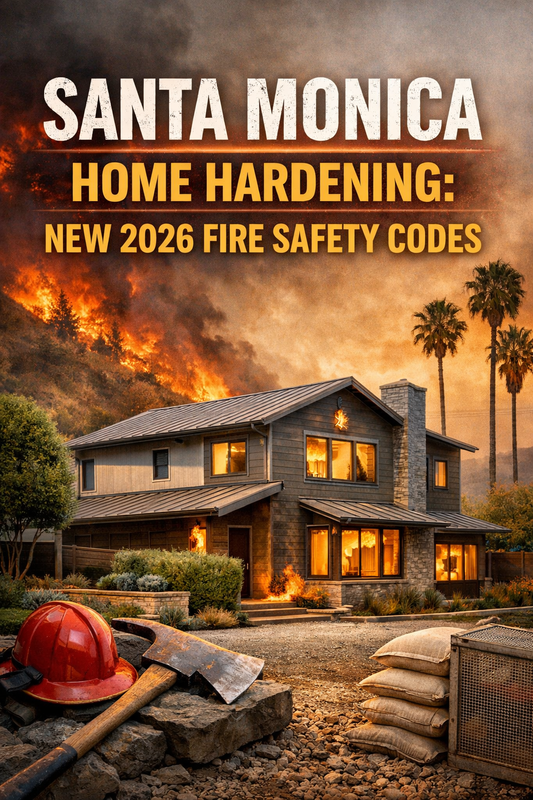
Residing In Santa Monica offers an one-of-a-kind blend of seaside elegance and mountain distance, yet this geographic luxury includes a details responsibility relating to ecological safety. As we move with 2026, the discussion around residential building has actually changed considerably toward durability. The neighborhood landscape, characterized by the dry Santa Ana winds and the dense greenery of the close-by canyons, calls for an aggressive approach to residential property defense. Current updates to safety criteria currently stress a principle called home solidifying, which concentrates on making the physical structure of a residence much less prone to ignition from flying ashes. These ashes can usually traverse a mile from the cutting edge of a fire, making every home in the area a prospective target despite its straight closeness to brush.
Recognizing the Change in 2026 Residential Specifications
The most up to date updates to the fire codes stand for a detailed effort to bridge the gap between traditional structure techniques and modern-day ecological demands. For homeowners in Santa Monica, these adjustments are not just tips however are becoming incorporated into the permitting procedure for new builds and significant improvements. One of the primary concentrates is the establishment of what professionals call Zone No. This is a cinder resistant location that extends five feet from the actual edge of your house. In the past, lots of locals favored rich landscaping right as much as their foundation, however the new 2026 requirements focus on noncombustible products like gravel, rock, or pavers in this immediate border. By removing natural compost and woody plants from this five foot barrier, you considerably lower the chance of a ground fire getting to the siding or vents of your home.
The Value of Material Choice for Outside Surfaces
When it comes to the actual covering of your house, the 2026 codes are extremely details regarding the sorts of products that offer the highest degree of defense. Numerous older homes in the location attribute wood exterior siding or tiles which, while aesthetically pleasing, provide really little resistance to intense heat. The approach building fire resistant homes involves making use of fiber concrete exterior siding, specialized stucco, or stonework. These materials do not simply reduce the spread of flames; they stop the exterior walls from sparking in the first place. The goal is to develop a continuous fireproof obstacle from the foundation completely as much as the roofline. This change is especially crucial for homes that remain on the side of the Santa Monica Mountains where the terrain can funnel warm and wind straight towards household streets.
Strengthening the Most At Risk Entrance Points
Vents and windows are often the weakest links in a home's defense system. During a wind driven event, ashes are pushed into attic areas with conventional vents, where they can ignite insulation and structural beams from the inside out. The new 2026 regulations require the installation of specialized ember resistant vents that feature a much finer mesh or internal baffles designed to obstruct tiny triggers while still enabling appropriate air flow. Likewise, window requirements have actually been updated to mandate dual paned solidified glass. Tempered glass is considerably much more resilient to the thermal shock brought on by extreme convected heat. If a requirement window cracks or shatters, it leaves the inside of the home totally subjected, yet toughened up glass keeps intact much longer, giving a critical home window of security for the framework.
Lessons from Regional Healing Efforts
Looking at just how other nearby neighborhoods have taken care of current environmental obstacles offers a clear roadmap for Santa Monica residents. For example, the ongoing Palisades fire rebuilding procedure has highlighted the effectiveness of these modern-day solidifying methods. Homes that were developed or retrofitted with noncombustible eaves and boxed-in soffits revealed a much greater survival price compared to those with standard open rafter building. When eaves are boxed in, it prevents warm gases and ashes from getting entraped underneath the roof overhang. This straightforward building change is currently a hallmark of liable building in the Westside location. It shows an expanding understanding that building for elegance should go hand in hand with building for longevity and security in the California environment.
Enhancing Roofing System Honesty and Rain Gutter Safety And Security
The roofing system is the biggest surface area on any kind of home and is the most likely location for coal to land and build up. The 2026 codes purely enforce using Course A rated roof products such as slate, tile, or excellent quality asphalt composition roof shingles. Nonetheless, the material itself is only part of the formula. Home owners should likewise make certain that the gaps between the roofing deck and the covering are secured to stop cinders from moving beneath the floor tiles. Seamless gutters are another area of worry, as they often collect dry leaves and debris that function as kindling. Mounting fireproof steel gutter guards is now extremely suggested to maintain these networks clear. When a fire neighbors, a tidy seamless gutter system makes certain that a roaming trigger does not develop into a local fire right beside your roofline.
The Duty of Specialist Knowledge in Modern Building
Navigating these new policies can be complicated, especially when trying to balance modern-day visual appeals with strict safety conformity. Several homeowners discover that partnering with a luxury home building company is the most efficient method to guarantee their property meets every 2026 standard without giving up the high-end layout they anticipate. Specialist building contractors that focus on the Santa Monica and Westside markets are skilled in the nuances of the regional municipal codes and the specific challenges posed by the seaside atmosphere. They can incorporate fire resistant functions into the preliminary layout stage, such as picking metal mounted windows or stone outside accents that look lovely while serving an important protective feature. This know-how is vital when taking care of the elaborate allowing and assessment processes needed for coastal construction today.
Shielding Accessory Frameworks and Boundary Fencing
The brand-new safety criteria also expand beyond the main house to consist of decks, fences, and outhouses. Conventional wood fences often function as a fuse, leading a fire directly from the boundary of a residential or commercial property to the major structure. To minimize this risk, the 2026 codes recommend that the first 5 to eight feet of any type of fence affixed to a house must be constructed from noncombustible products like steel or masonry. Decks are likewise being looked at, with a push toward utilizing ignition immune composite materials or heavy hardwood that is less most likely to stir up from below. Confining the area resources under a deck with fine steel mesh can protect against the accumulation of flammable particles and coal, further solidifying the building against a moving fire front.
Future Proofing Your Santa Monica Investment
Purchasing these upgrades is not nearly adhering to the law; it is about future proofing your home against the changing climate and the developing insurance coverage landscape. Several insurance policy service providers are now taking a look at home solidifying procedures as a requirement for protection or as a method to figure out premium rates. By executing these 2026 fire safety codes now, you are essentially protecting the long-term worth of your Santa Monica property. The comfort that includes understanding your home is built to the highest feasible requirement of durability is a considerable benefit in an area where ecological understanding belongs to everyday life. These aggressive actions guarantee that your home remains a safe house for many years to come.
We welcome you to follow our blog site and return frequently for future updates on local structure patterns and safety guidelines in the Santa Monica location. Would you like me to develop a summary of the specific 2026 product requirements for various home zones mentioned in the article?